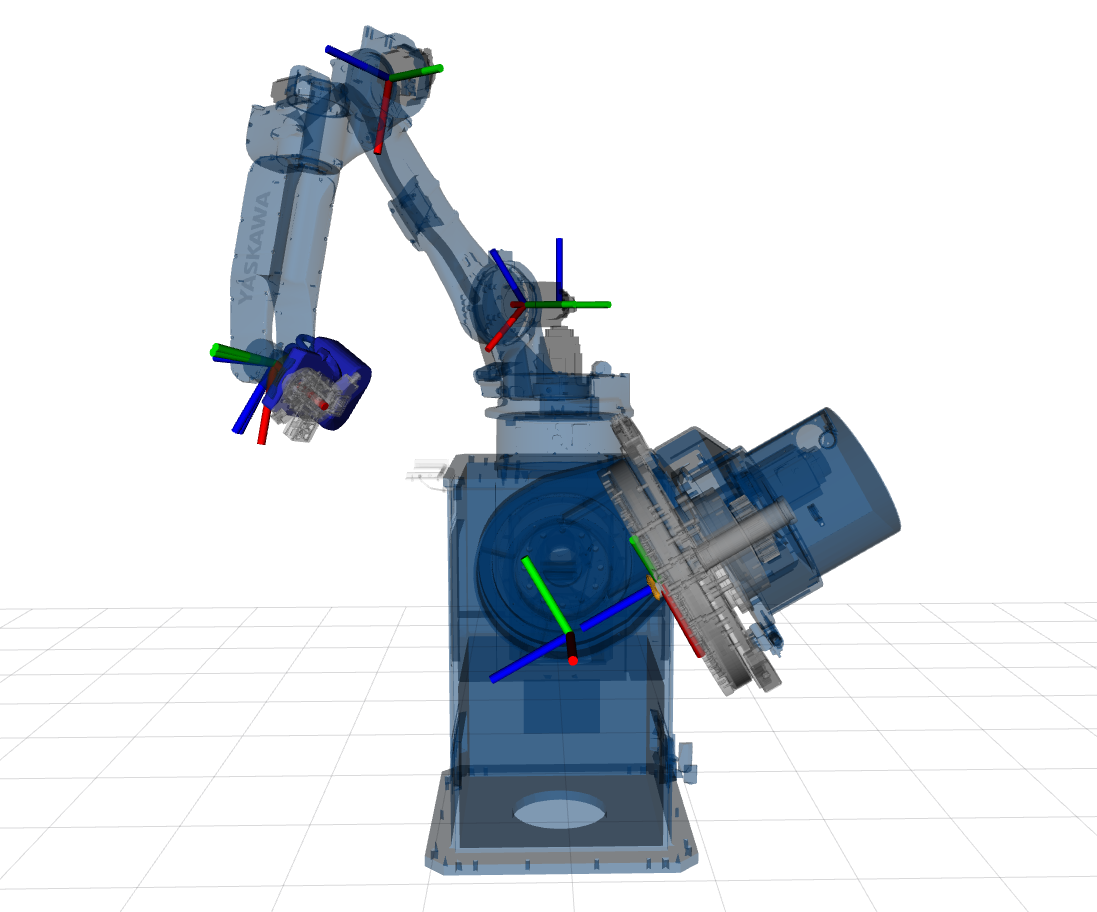
 Kinematic chain
Automatic calibration of the 8-axis manipulator using optical measurement to 12 µm accuracy. No external sensors or manual intervention.

Physical AI for robotic finishing. Machine vision, proprioception and tactile feedback combined into a single control platform. NetShape® removes the skill barrier from robotic finishing.
Tactile Feedback and Force Control
6-DoF force transducers feel contact between tools and components. How the robot responds depends on the tool type, material and objective of the operation. 9+ years of force control research on low-stiffness robotic systems.
Inspired by manual die-grinding. Forces are the primary feedback to ensure adequate cutting edge engagement. Paths update in real time to keep desired engagement force.
Applies known forces that maximise abrasive engagement and tool lifespan. Detects high spots and spends more time grinding them, just the way a skilled person would.
Applies constant pressure with conventional tools via the Tactile Platform. Outputs accurate topological maps based on deflection required to maintain contact pressure.
Adjusts feed rate in real time based on force feedback. Differentiates plunging force from shearing force, reducing the risk of discs binding or overheating.
Only hammers when supports are detected and the chisel is preloaded to optimal fracture force. Adapts execution speed to material ductility batch-to-batch.
In-Process Kinematic Calibration
Accuracy relies on a close match between virtual and physical systems. Rivelin robots explore the machining envelope with an optical sensor capable of measuring 3D poses to within 12 micrometres, then use proprietary regression algorithms to compute the kinematic chain.
Kinematic chainAutomatic calibration of the 8-axis manipulator using optical measurement to 12 µm accuracy. No external sensors or manual intervention.
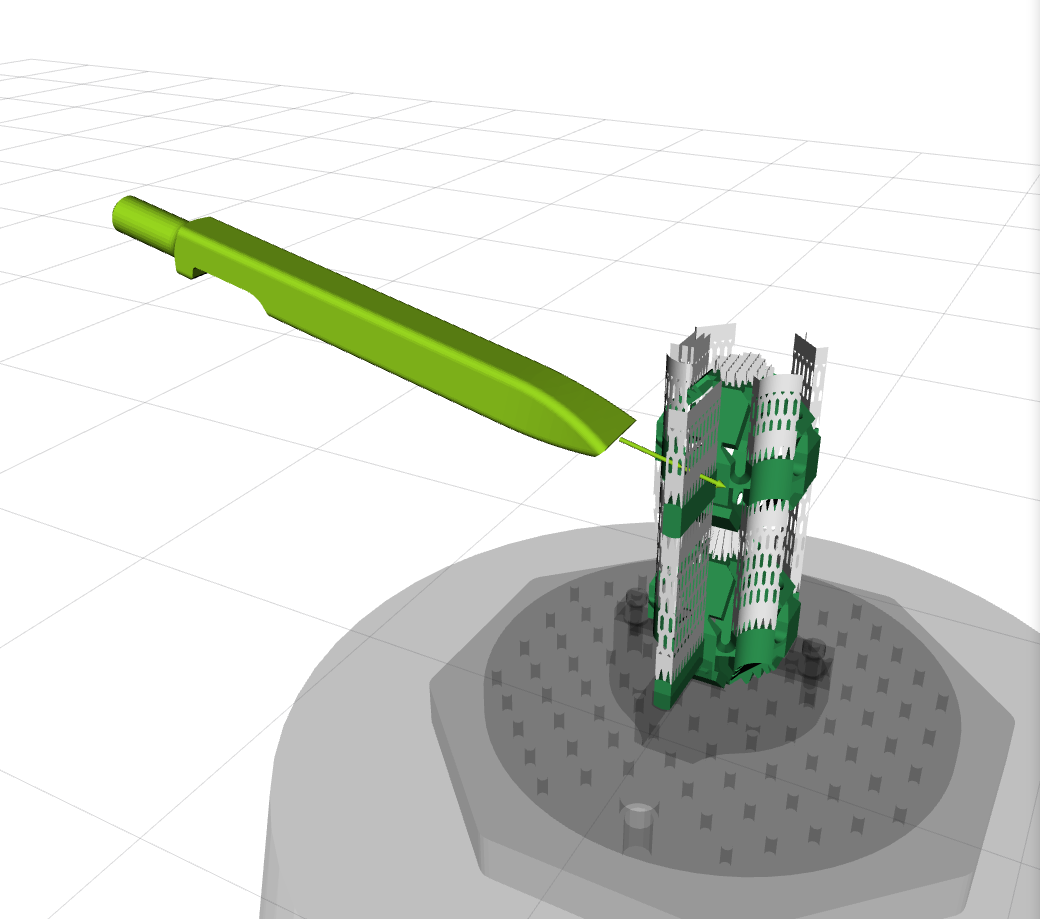 Measurement devices
Break beam sensors and contact tool setters calibrated relative to the robot frame for tool length, wear and damage detection.
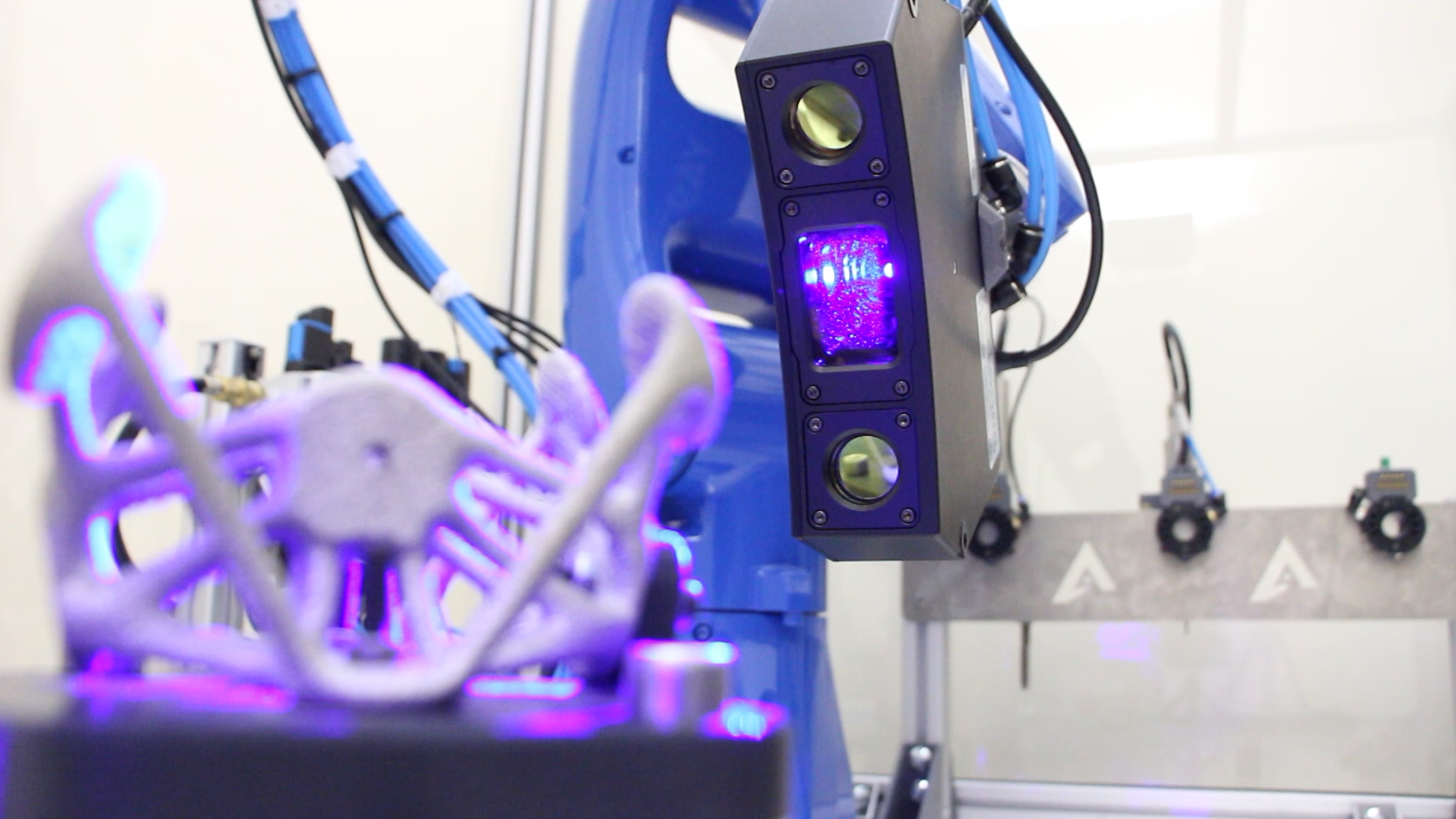 Scanner origin
Hand-eye calibration aligns 3D scanner frames to the robot coordinate system. Enables scan-based part location and reconfigurable fixturing.
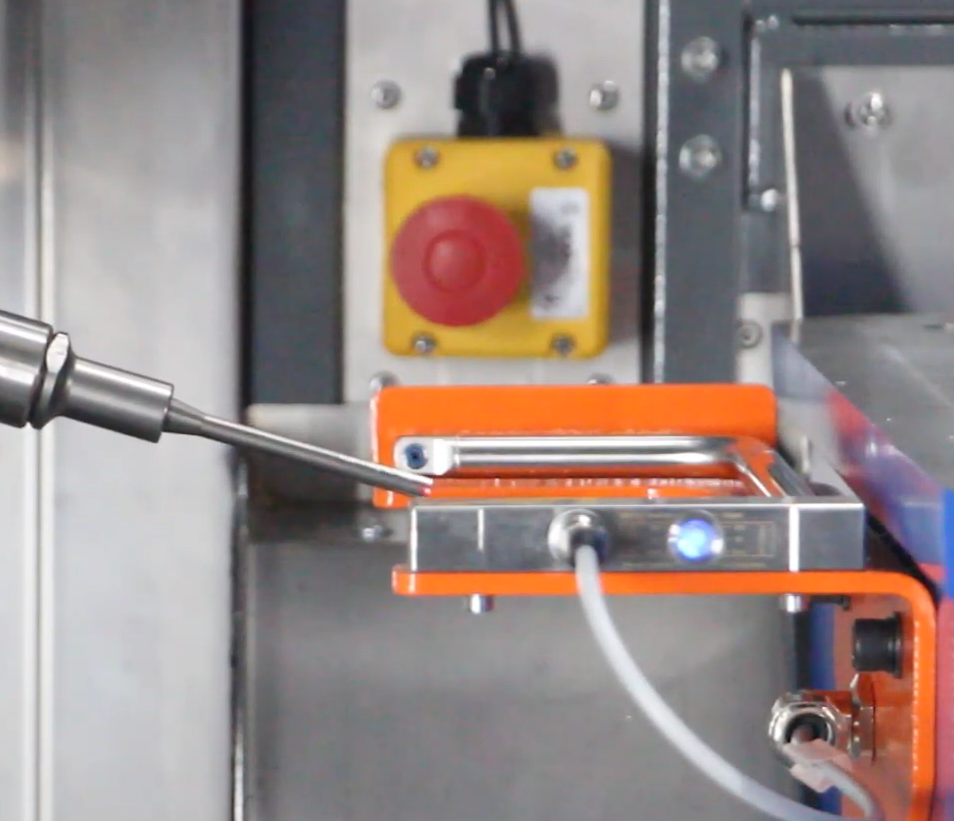 Tool centre point
Each tool type (spindles, belts, chisels, grippers) calibrated to complete the kinematic chain from cutting edge to component.
NetShape® Teach GUI
Developed with ease of use as a core driver. Any technician or graduate can plan and execute robotic crafting recipes through visual interactions with the component CAD model. No robotics or CNC skills required.
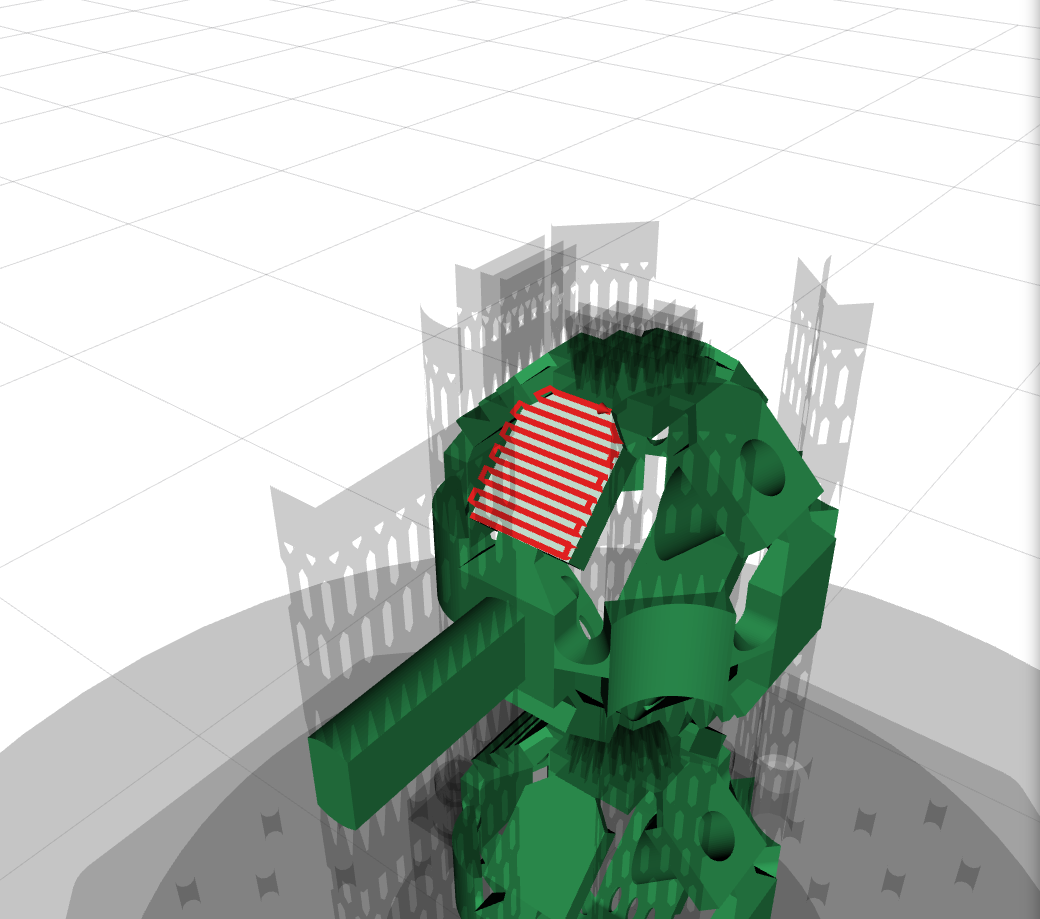 Visual interactions
Define vectors, curves, surfaces and contours directly on the component CAD. Click-and-steer, paint-brush selection and spline fitting.
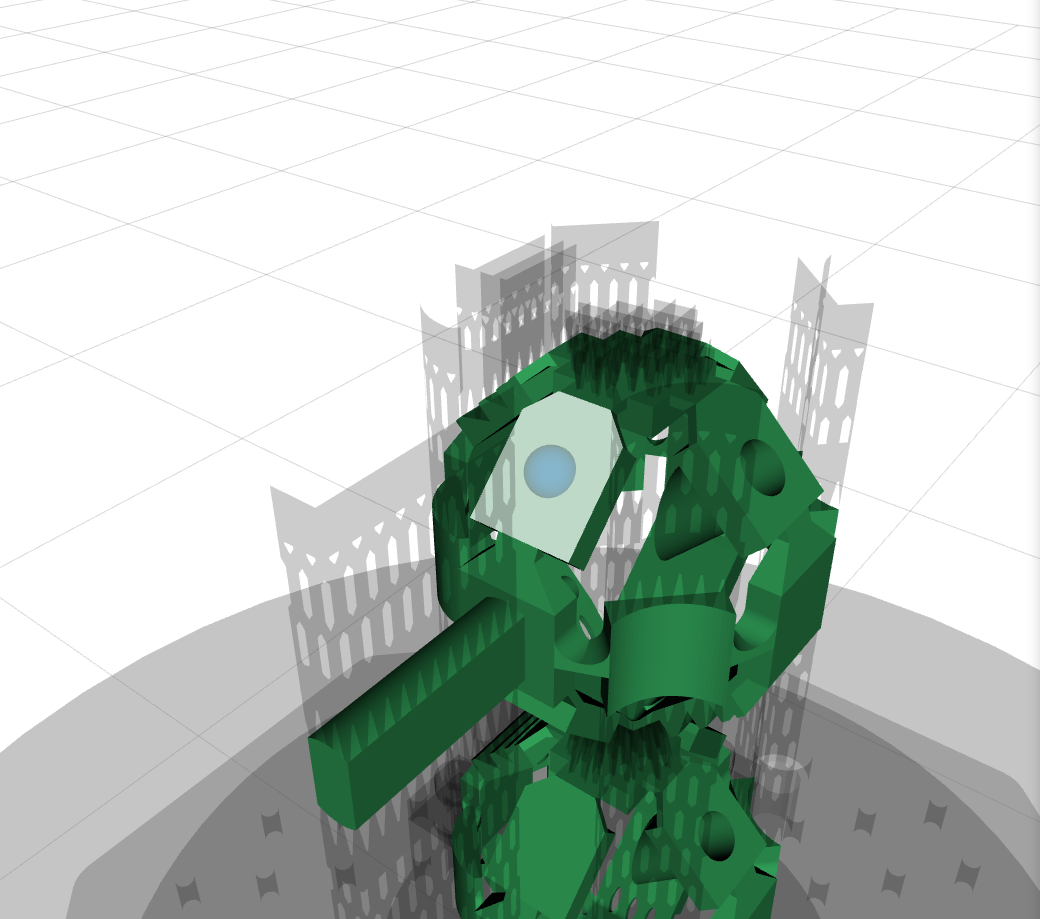 Recipe step builder
Guided sequence of pages with fields pre-filled from Rivelin's force control knowledge library. Modular by design.
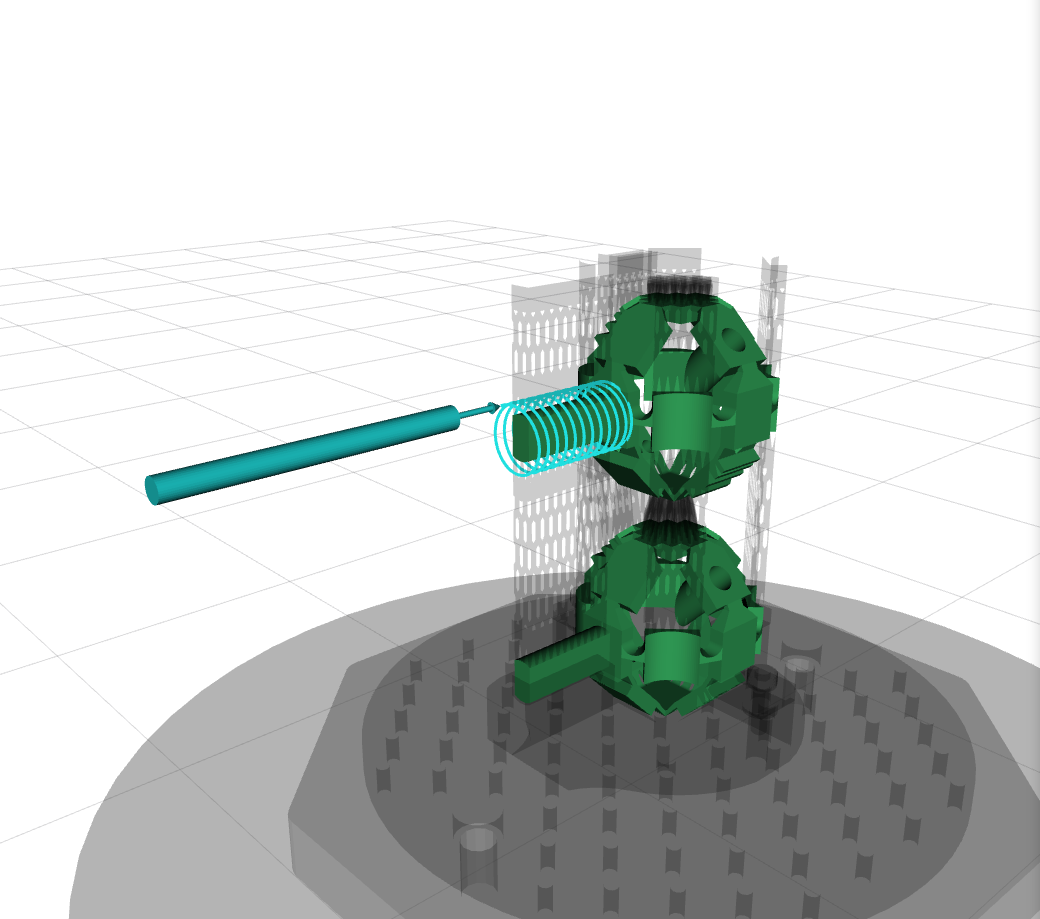 Component manifests
Describe parts across multiple process states (as-printed, partial supports, finished) each with its own fixture and CAD.
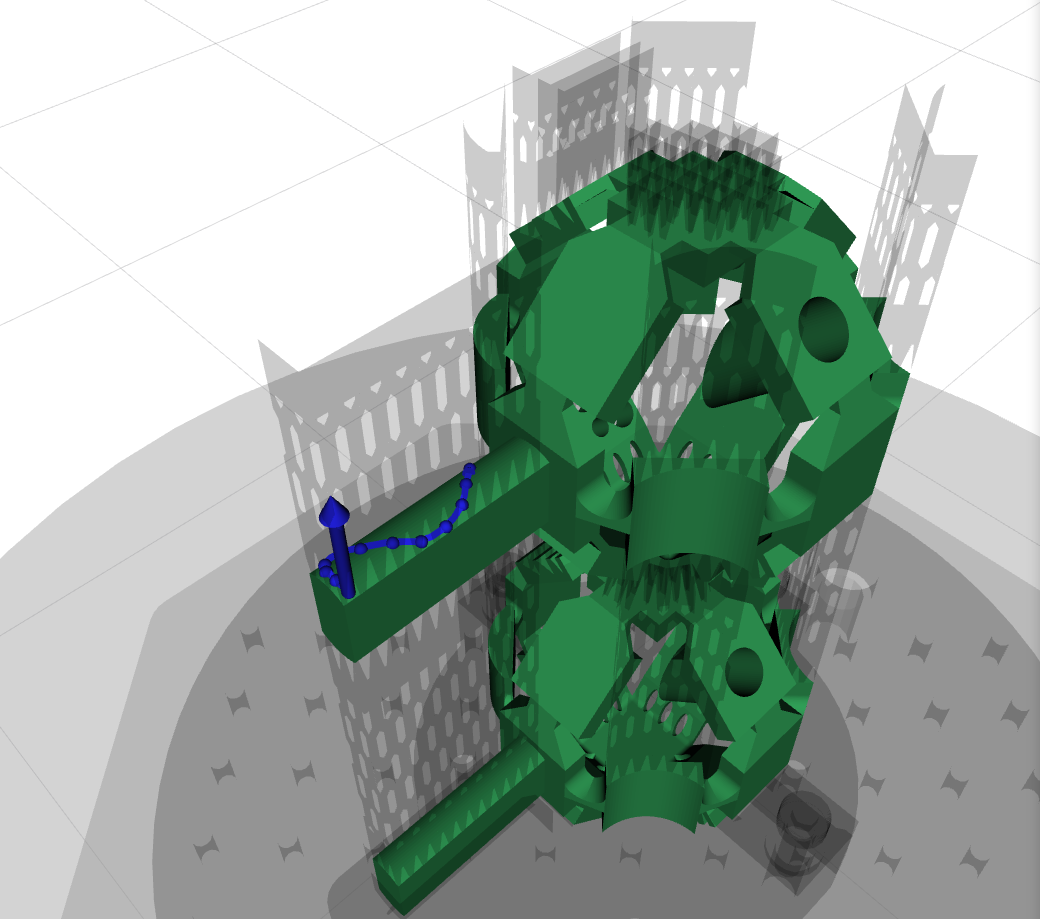 Projects & recipes
Lists of recipe steps in recipes, lists of recipes in projects. Simulate, reorder, conditionally execute.
Real-Time Optimisation
Conditional execution of recipe steps based on measurements and closed-loop rework linking measurements to rework steps. Improves efficiency and removes variability from outcomes.
Material detection returns presence or absence. Measurement steps return geometric dimensions or surface roughness values from optical instruments.
Any recipe step can be assigned conditions for execution. Binary conditions specify which outcome triggers the step. Measurement conditions specify threshold values.
Condition check linked to a rework step or recipe. After rework, re-run the check. Continue until the condition is met, then move on.
How it works
0 days from CAD to production recipe
Compatible platforms
The production microfactory. Adaptive scanning, toolpath control, and finishing intelligence in one compact system.
Explore r1000The compact route. Same NetShape® intelligence in a smaller footprint. Request Early Access.
Explore r500